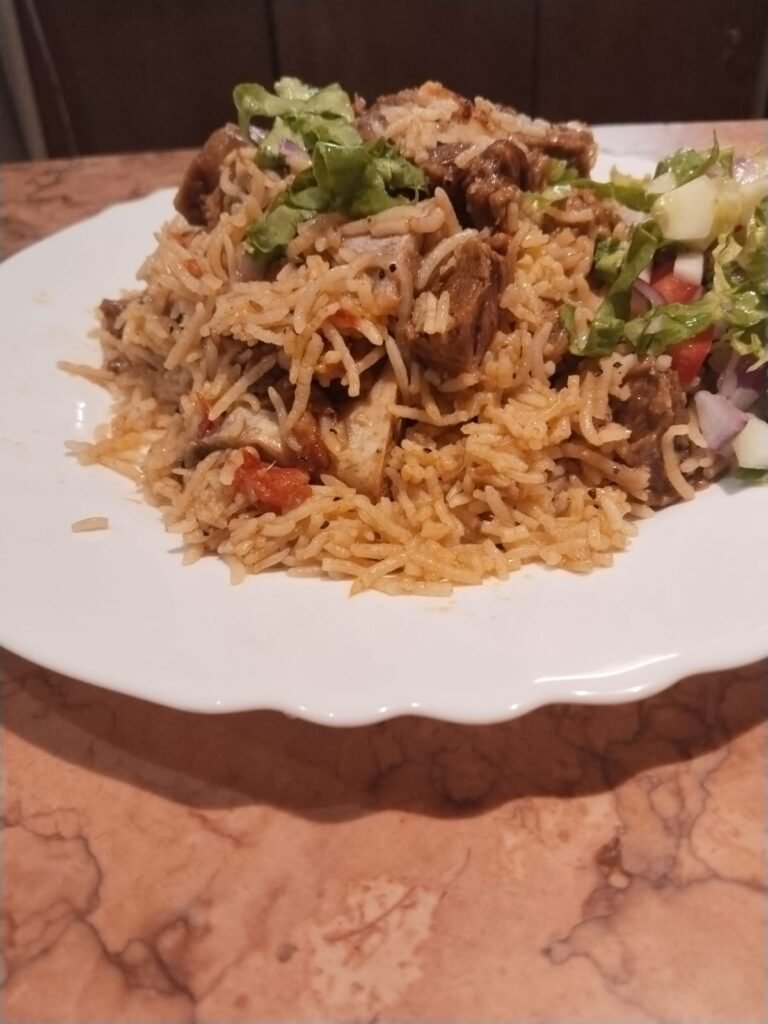
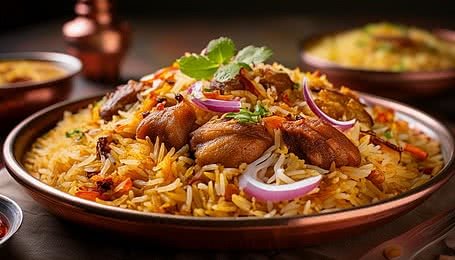
Sindhi Biryani Recipe: Authentic Pakistani Chicken ![Description: Sindhi Biryani with tender chicken, fragrant basmati rice,potatoes and flavorful spices.]() Biryani
Biryani
Table of Contents
- Introduction
- What Is Sindhi Biryani?
- What Makes Sindhi Biryani Different?
- Sindhi Biryani Ingredients
- How to Make Sindhi Biryani
- Tips for Making the Best Sindhi Biryani
- Common Mistakes to Avoid When Making Sindhi Biryani
- What to Serve With Sindhi Biryani
- Variations of Sindhi Biryani
- Frequently Asked Questions About Sindhi Biryani
- Conclusion
Introduction
Sindhi Biryani is a flavorful and aromatic rice dish known for its bold spices, tender meat, potatoes, and deliciously tangy masala. Originating from the Sindhi cuisine of the Indian subcontinent, this popular dish has become a beloved part of Pakistani cuisine and is enjoyed at family gatherings, celebrations, and special occasions.
What makes Sindhi Biryani stand out from other types of biryani is its distinctive combination of spicy, tangy, and aromatic flavors. Fragrant basmati rice is layered with a richly seasoned meat masala, potatoes, fresh herbs, green chilies, and other traditional ingredients to create a hearty and satisfying meal.
In this authentic Sindhi Biryani recipe, you’ll learn how to prepare Pakistani Sindhi Biryani step by step, from making the flavorful masala to layering the rice and finishing the dish with traditional dum cooking. Whether you’re making biryani for a special occasion or simply craving a comforting homemade meal, this Sindhi Biryani recipe will help you create a delicious and aromatic dish at home.
What Is Sindhi Biryani?
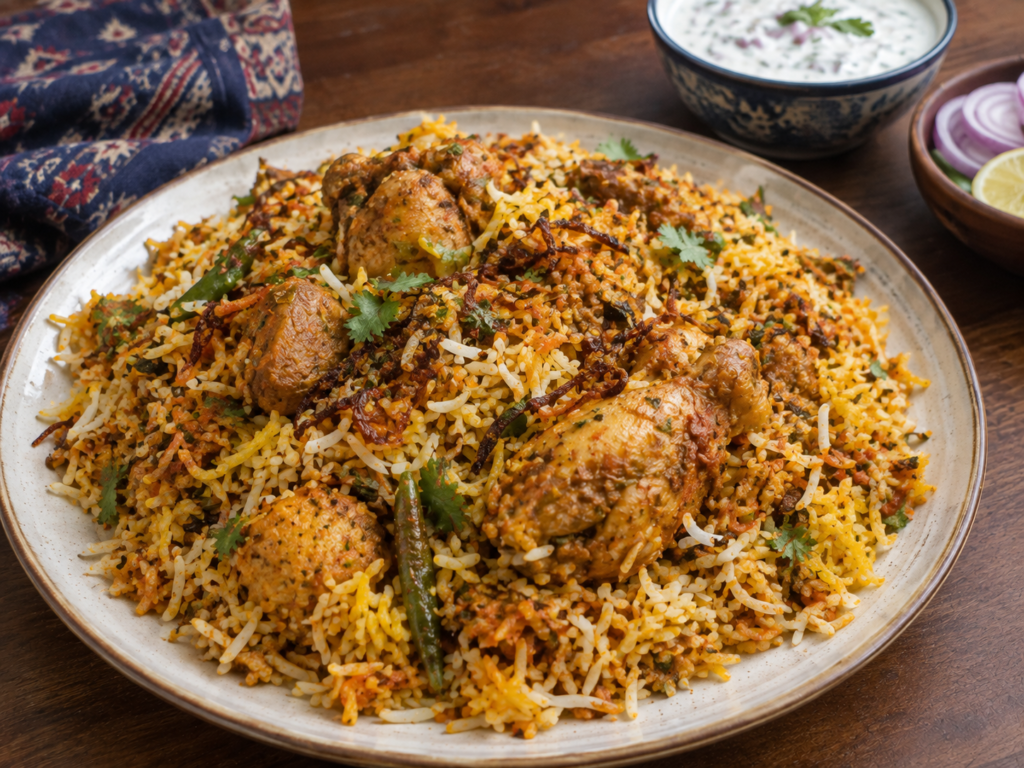
Sindhi Biryani is a traditional South Asian rice dish known for its bold spices, fragrant basmati rice, tender meat, and flavorful potatoes. It is closely associated with Sindhi cuisine, a culinary tradition from the Sindh region of the Indian subcontinent. Over time, Sindhi Biryani has become especially popular throughout Pakistan, where it is commonly prepared for family meals, weddings, celebrations, and other special occasions.
What makes traditional Sindhi Biryani unique is its rich combination of textures and flavors. Unlike simpler rice dishes, it brings together perfectly cooked basmati rice with spiced meat, potatoes, and a deeply flavored masala. Chicken is a popular choice, although Sindhi Biryani can also be prepared with mutton or other types of meat.
A typical Pakistani Sindhi Biryani gets much of its flavor from a carefully balanced mixture of spices, yogurt, tomatoes, green chilies, fresh coriander, and mint. Whole and ground spices add warmth and aroma, while yogurt and tomatoes give the masala a pleasant tanginess. Green chilies provide heat, and fresh herbs add a bright, refreshing aroma to the finished dish.
The combination of spicy, tangy, savory, and aromatic flavors is what gives Sindhi Biryani its distinctive character. The potatoes also absorb the flavorful masala during cooking, making them one of the most-loved parts of the dish. Finally, the rice and meat are layered and cooked together on dum, allowing the flavors and aromas to blend beautifully.
Whether served with cooling raita, fresh salad, or a squeeze of lemon, Sindhi Biryani is a hearty and satisfying dish that showcases the rich and vibrant flavors of Sindhi and Pakistani cooking.
What Makes Sindhi Biryani Different?
While there are many delicious varieties of biryani across South Asia, Sindhi Biryani has a distinctive combination of bold spices, tangy masala, potatoes, aromatic rice, and fresh herbs. The balance of heat, acidity, and fragrance gives Sindhi style biryani its characteristic taste and makes it different from many other regional biryani recipes.
Spicy Flavor
One of the most recognizable features of Sindhi Biryani flavor is its bold and spicy taste. A combination of red chili powder, green chilies, and aromatic spices gives the biryani plenty of heat and depth. The spice level can be adjusted according to personal preference, but a traditional spicy Sindhi Biryani is known for its generous use of flavorful spices.
Potatoes in Biryani
Potatoes are an important and much-loved ingredient in Sindhi Biryani. They are cooked together with the spiced meat masala, allowing them to absorb the rich flavors as they become tender. The combination of juicy meat, flavorful potatoes, and fragrant rice gives the dish a satisfying variety of textures and tastes.
Tangy Masala
The masala gives Sindhi Biryani much of its distinctive character. Tomatoes and yogurt add a delicious tangy note that balances the heat of the chilies and richness of the spices. This spicy and slightly sour flavor is one of the key characteristics that sets Sindhi style biryani apart.
Aromatic Rice
Long-grain basmati rice provides the fragrant foundation of the dish. The rice is typically parboiled before being layered with the meat and masala. During the final cooking process, the rice absorbs the aromas and flavors from the masala while remaining light and fluffy.
Generous Use of Herbs and Chilies
Fresh mint, coriander, and green chilies are used generously to add freshness, color, and aroma. Fried onions may also be added between the layers to provide sweetness and richness. These fresh ingredients complement the spicy masala and help create the vibrant Sindhi Biryani flavor that makes this dish so memorable.
Together, the spicy masala, tangy ingredients, tender potatoes, fragrant basmati rice, and fresh herbs create a unique combination that makes Sindhi Biryani a favorite among biryani lovers.
Sindhi Biryani Ingredients
Making a flavorful Sindhi Biryani starts with using the right balance of rice, chicken, spices, yogurt, herbs, and aromatics. The following Sindhi Biryani ingredients are measured specifically for 1 kg basmati rice.
For the Chicken
- Chicken: 1.5 kg, cut into medium pieces
- Yogurt: 500 g, whisked
- Tomatoes: 750 g, chopped
- Onions: 500 g, thinly sliced
- Ginger-garlic paste: 4 tablespoons
- Green chilies: 8–10, slit
- Potatoes: 750 g, peeled and cut into large pieces
- Fresh coriander: 1 large bunch, chopped
- Fresh mint: 1 large bunch, chopped
- Lemon juice: 4 tablespoons
- Cooking oil: 250 ml
Sindhi Biryani Masala Ingredients
For a rich and aromatic Sindhi Biryani masala, use:
- Red chili powder: 2½–3 tablespoons
- Turmeric powder: 1½ teaspoons
- Coriander powder: 2 tablespoons
- Cumin powder: 1½ tablespoons
- Garam masala: 1½ tablespoons
- Salt: approximately 2½–3 tablespoons, or to taste
- Black pepper: 1 teaspoon
- Crushed red chili: 1 tablespoon
- Sindhi Biryani masala: 3–4 tablespoons, optional if using a prepared spice mix
For the Rice
- Basmati rice: 1 kg
- Water: approximately 5–6 liters for boiling
- Salt: 4–5 tablespoons for the rice water
- Bay leaves: 3–4
- Cinnamon sticks: 3–4
- Green cardamom: 6–8
- Black cardamom: 2–3
- Cloves: 8–10
- Black peppercorns: 1 tablespoon
- Cumin seeds: 1 tablespoon
The rice should be boiled until it is about 70–80% cooked before layering. It will finish cooking during the dum stage.
For Layering
- Fried onions: 2 cups
- Fresh coriander: ½–1 cup, chopped
- Fresh mint: ½–1 cup, chopped
- Green chilies: 4–6, slit
- Lemon: 2, thinly sliced or cut into wedges
- Saffron: ½ teaspoon, soaked in 2–3 tablespoons warm milk, optional
- Food color: a small pinch, optional
- Rose water: 1 tablespoon, optional
- Kewra water: 1 tablespoon, optional
Quick Measurement Guide for 1 kg Rice
For 1 kg rice, a good starting ratio is:
1 kg basmati rice + 1.5 kg chicken + 750 g potatoes + 500 g yogurt + 750 g tomatoes + 500 g onions.
This ratio gives you plenty of flavorful chicken masala to coat the rice without making the biryani too dry or too watery.
Tip: Salt is especially important when cooking 1 kg of rice. The rice water should taste noticeably salty before you add the rice because much of that salt will be drained with the cooking water. Adjust the final masala according to your taste.
How to Make Sindhi Biryani
Learning how to make Sindhi Biryani at home is easier when you prepare the chicken masala and rice separately before bringing everything together for dum cooking. This Sindhi Biryani recipe step by step uses 1 kg of basmati rice, 1.5 kg chicken, potatoes, yogurt, tomatoes, fresh herbs, and aromatic spices to create a flavorful and satisfying biryani.
Step 1 – Marinate the Chicken
Start by preparing the chicken marinade. Place 1.5 kg chicken in a large bowl and add 500 g whisked yogurt, 4 tablespoons ginger-garlic paste, 2½ tablespoons red chili powder, 1½ teaspoons turmeric powder, 2 tablespoons coriander powder, 1½ tablespoons cumin powder, 1 teaspoon black pepper, 1 tablespoon crushed red chili, and salt to taste.
Add about half of the chopped green chilies, coriander, and mint. Mix everything thoroughly so the marinade coats each piece of chicken.
Cover the bowl and refrigerate for at least 30 minutes. For a deeper flavor, you can marinate the chicken for 2–4 hours. If marinating for several hours, keep it refrigerated until ready to cook.
Step 2 – Prepare the Biryani Masala
Heat 250 ml cooking oil in a large, heavy-bottomed pot over medium heat. Add the sliced onions and fry until they become deep golden brown. Remove some of the fried onions and keep them aside for layering.
Add the remaining onions back to the pot if necessary, followed by the marinated chicken. Cook over medium-high heat for several minutes, stirring occasionally, until the chicken changes color and the excess moisture begins to reduce.
Add the chopped tomatoes and remaining green chilies. Cover and cook until the tomatoes become soft and the chicken is mostly cooked.
Lower the heat and add the remaining yogurt if you have reserved any. Cook the masala until the oil begins to separate from the mixture. This is an important step because properly cooked masala gives the biryani a rich and concentrated flavor.
Add fresh coriander, mint, lemon juice, and garam masala. Taste the masala and adjust the salt and spices if needed.
The finished chicken masala should be flavorful and relatively thick rather than watery. You need enough gravy to flavor the rice, but excessive liquid can make the finished biryani mushy.
Step 3 – Cook the Basmati Rice
While the chicken masala is cooking, rinse 1 kg basmati rice several times until the water becomes mostly clear. Soak the rice for about 20–30 minutes, then drain.
Bring approximately 5–6 liters of water to a rolling boil in a large pot. Add salt along with the bay leaves, cinnamon, green cardamom, black cardamom, cloves, black peppercorns, and cumin seeds.
Add the soaked rice to the boiling water and cook until the grains are approximately 70–80% cooked. The rice should be soft on the outside but still have a slightly firm center.
Drain the rice immediately. Avoid fully cooking the rice at this stage because it will continue cooking during the dum process.
Step 4 – Add the Potatoes
Peel and cut approximately 750 g potatoes into large, evenly sized pieces.
Add the potatoes to the chicken masala once the chicken is mostly cooked. Cover the pot and allow the potatoes to cook until they are tender but still hold their shape.
If the potatoes require more cooking, add a small amount of water and cook until they are almost done. Avoid making the masala watery.
The potatoes should be coated with the spicy masala so they absorb the distinctive flavors of the Sindhi chicken biryani recipe.
Step 5 – Layer the Biryani
Once the chicken masala, potatoes, and rice are ready, it is time to assemble the biryani.
Keep the chicken masala at the bottom of the heavy-bottomed pot. Spread approximately half of the parboiled rice evenly over the chicken.
Add a layer of:
- Fried onions
- Fresh coriander
- Fresh mint
- Slit green chilies
- A little lemon juice
Add the remaining rice as the final layer. Top with the remaining fried onions, coriander, mint, and green chilies.
If desired, drizzle saffron soaked in warm milk over the rice and add a small amount of food color for a traditional colorful appearance. A little kewra water or rose water can also be added for extra aroma.
Step 6 – Dum Cooking
Cover the pot tightly with a lid. For a better seal, you can place aluminum foil or a clean kitchen cloth between the pot and lid, making sure the cloth is safely secured away from the flame.
Place the pot over medium heat for 5–7 minutes to build up steam. Then reduce the heat to very low and cook the biryani for approximately 20–25 minutes.
Once the dum cooking is complete, turn off the heat and let the biryani rest, covered, for another 10 minutes.
This resting period allows the steam to settle and helps the rice absorb the aroma of the chicken masala without becoming overly soft.
Step 7 – Serve the Sindhi Biryani
Remove the lid carefully and enjoy the aroma before serving. Do not immediately stir the entire pot, as vigorous mixing can break the delicate rice grains.
Using a large flat spoon, gently lift the biryani from the sides and bottom, bringing some chicken, potatoes, masala, and rice together with each serving.
Serve the Sindhi Biryani hot with chilled raita, fresh salad, mint chutney, lemon wedges, or your favorite pickle.
The result should be fluffy, aromatic rice layered with tender chicken, flavorful potatoes, spicy masala, and fresh herbs—a delicious homemade Sindhi Biryani recipe perfect for family meals and special occasions.
Tips for Making the Best Sindhi Biryani
Making a flavorful Sindhi Biryani is all about getting the right balance of rice, masala, spices, and cooking time. These simple tips will help you prepare the best Sindhi Biryani recipe at home with fluffy rice, tender chicken, flavorful potatoes, and perfectly balanced spices.
1. Use Good-Quality Basmati Rice
Choose long-grain, good-quality basmati rice for the best texture and aroma. Rinse the rice several times and soak it for 20–30 minutes before boiling. This helps the grains cook more evenly and reduces the chance of broken rice.
2. Don’t Fully Cook the Rice
One of the most important Sindhi Biryani tips is to parboil the rice only until it is about 70–80% cooked. The rice will continue cooking during dum. Fully cooked rice can become soft or mushy when layered and steamed.
3. Cook the Masala Until the Oil Separates
Take your time when preparing the chicken masala. Cook the tomatoes, yogurt, spices, and chicken until the excess moisture reduces and the oil begins to separate from the masala. This creates a deeper and richer flavor.
4. Balance the Spicy and Tangy Flavors
A good Sindhi Biryani should have a noticeable spicy and tangy flavor without one overpowering the other. Adjust the green chilies and red chili powder according to your preferred spice level, while yogurt, tomatoes, and lemon juice provide the necessary tanginess.
5. Don’t Skip the Potatoes
Potatoes are one of the signature ingredients of traditional Sindhi Biryani. Cut them into large, evenly sized pieces so they cook properly without falling apart. Allow them to absorb some of the chicken masala for maximum flavor.
6. Use Fresh Mint and Coriander
Fresh herbs make a big difference in the aroma and overall taste. Add mint and coriander between the rice layers and on top before dum cooking. Their freshness helps balance the richness of the spicy masala.
7. Use Fried Onions for Extra Flavor
Golden fried onions add sweetness, texture, and richness to the biryani. Fry them slowly until they are evenly golden rather than very dark, as burnt onions can make the biryani taste bitter.
8. Don’t Make the Masala Too Watery
The chicken masala should be thick and flavorful before you begin layering. Too much liquid can make the rice soggy, while a very dry masala may leave the biryani lacking flavor.
9. Cook the Biryani on Low Heat During Dum
After the initial few minutes of medium heat, reduce the flame to low. Slow dum cooking allows the steam to circulate through the layers and helps the rice absorb the aroma of the spices, herbs, and chicken masala.
10. Let the Biryani Rest Before Serving
Once the dum cooking is finished, turn off the heat and let the biryani rest for about 10 minutes with the lid closed. This allows the flavors to settle and makes the rice easier to serve without breaking.
11. Don’t Overmix the Biryani
When serving, gently lift the rice and masala from the bottom rather than vigorously stirring the entire pot. This keeps the basmati grains long, fluffy, and intact.
12. Taste Before the Final Layering
Before adding the rice, taste the chicken masala and check the salt, spice, and tanginess. The masala should taste slightly stronger than you want the final biryani to taste because the plain rice will balance its intensity.
With the right rice-to-masala ratio, properly cooked chicken and potatoes, balanced spices, and gentle dum cooking, you can make a flavorful and aromatic Sindhi Biryani at home every time.
Common Mistakes to Avoid When Making Sindhi Biryani
Even a well-planned Sindhi Biryani recipe can go wrong if a few important steps are overlooked. From mushy rice to an overly watery masala, these common mistakes can affect the texture and flavor of your biryani. Avoiding them will help you make a more flavorful, aromatic, and perfectly cooked Sindhi Biryani.
1. Overcooking the Rice
One of the most common mistakes is cooking the rice completely before layering. Basmati rice should be only 70–80% cooked when you drain it. It will finish cooking during the dum stage.
Fix: Cook the rice until the grains are tender on the outside but still slightly firm in the center.
2. Using Too Much Water in the Masala
A watery chicken masala can make the finished biryani soggy and prevent the rice from remaining fluffy.
Fix: Cook the chicken masala until most of the excess moisture has evaporated and the oil begins to separate.
3. Not Soaking the Rice
Skipping the soaking step can result in unevenly cooked rice and more broken grains.
Fix: Rinse the basmati rice thoroughly and soak it for around 20–30 minutes before boiling.
4. Adding Too Much Salt
Both the rice and chicken masala need salt, so it is easy to accidentally add too much.
Fix: Season each component carefully and taste the masala before layering. Remember that the rice will dilute the intensity of the masala.
5. Making the Masala Too Mild
Sindhi Biryani is known for its bold, spicy, and tangy flavor. Using too little seasoning can result in a bland biryani.
Fix: Use a balanced amount of chilies and spices, and adjust the heat according to your preference rather than removing the spices completely.
6. Burning the Bottom During Dum
Cooking the biryani over high heat for too long can burn the masala at the bottom while leaving the upper rice undercooked.
Fix: Use medium heat briefly to build steam, then reduce the heat to low. A heavy-bottomed pot or a heat diffuser can also help.
7. Adding Too Much Food Color
Food color should enhance the appearance, not dominate it. Too much can make the rice look unnatural and may affect the overall presentation.
Fix: Use only a small amount, or skip food coloring and use saffron for natural color and aroma.
8. Skipping the Resting Time
Serving the biryani immediately after turning off the heat can make the rice more difficult to handle and prevent the flavors from settling.
Fix: Keep the pot covered and let the biryani rest for about 10 minutes before serving.
9. Mixing the Biryani Too Aggressively
Vigorous stirring can break the long basmati rice grains and turn the layered biryani into a soft mixture.
Fix: Use a large, flat spoon and gently lift the rice and masala from the bottom when serving.
10. Not Balancing the Tanginess
Tomatoes, yogurt, and lemon all contribute acidity. Using too much of these ingredients can make the biryani excessively sour, while using too little can make it taste flat.
Fix: Taste the masala before layering and adjust the lemon, tomatoes, and yogurt to achieve a balanced spicy and tangy flavor.
11. Cutting the Potatoes Too Small
Small potato pieces can become overcooked and break apart while the biryani cooks.
Fix: Cut the potatoes into medium-to-large, evenly sized pieces so they remain intact during cooking.
12. Rushing the Dum Cooking
Dum is an important part of developing the aroma and flavor of Sindhi Biryani. Cooking it too quickly can result in unevenly cooked rice.
Fix: Once the steam has developed, cook the biryani slowly over low heat and allow it to rest before opening the pot.
By avoiding these common mistakes, you can achieve fluffy basmati rice, tender chicken and potatoes, and a rich, well-balanced masala—the key elements of a delicious Sindhi Biryani recipe.
What to Serve With Sindhi Biryani?
Sindhi Biryani is rich, spicy, and full of bold flavors, so it pairs best with fresh and cooling side dishes. The right accompaniments can balance the heat of the biryani while adding freshness and texture to the meal. If you’re wondering what to serve with Sindhi Biryani, these traditional side dishes are excellent choices.
1. Raita
A cool and creamy raita is one of the best sides to serve with Sindhi Biryani. Yogurt helps balance the spicy masala, while cucumber, mint, coriander, or a little roasted cumin can add extra flavor.
For a simple biryani raita, mix plain yogurt with chopped cucumber, fresh mint, coriander, roasted cumin powder, and a pinch of salt.
2. Fresh Salad
A simple fresh salad adds crunch and freshness to a rich biryani. You can prepare a traditional salad with:
- Sliced onions
- Tomatoes
- Cucumbers
- Fresh coriander
- Green chilies
- Lemon wedges
The fresh vegetables and lemon provide a refreshing contrast to the spicy biryani.
3. Mint Chutney
Mint chutney is another flavorful accompaniment for Sindhi style biryani. Fresh mint, coriander, green chilies, lemon juice, and yogurt can be blended together to create a bright and slightly spicy chutney.
4. Lemon Wedges
Don’t underestimate the simplicity of fresh lemon. A squeeze of lemon over hot Sindhi Biryani can brighten the flavors and add an extra touch of tanginess.
5. Pickles
Pakistani-style mango or mixed vegetable pickle can add a delicious combination of sourness, saltiness, and spice. Serve a small amount alongside the biryani so that the pickle complements rather than overpowers the main dish.
6. Papad or Pappadum
Crispy papad adds a pleasant crunchy texture to the soft rice and tender chicken. It is an easy side dish when you’re serving biryani for a family meal or gathering.
7. Simple Yogurt Salad
If you want something lighter than a traditional raita, combine plain yogurt with cucumber, onion, coriander, and a pinch of salt. This simple yogurt salad works especially well with spicy Sindhi Biryani.
Best Combination to Serve With Sindhi Biryani
For a complete and balanced meal, serve hot Sindhi Biryani with cool raita, fresh salad, mint chutney, lemon wedges, and a small amount of pickle. The creamy, fresh, tangy, and crunchy accompaniments help balance the rich and spicy flavors of the biryani.
Whether you’re preparing a family dinner or serving biryani at a special gathering, these simple sides can make your Sindhi Biryani meal even more enjoyable.
Variations of Sindhi Biryani
Although traditional Sindhi Biryani is known for its spicy masala, fragrant basmati rice, potatoes, and fresh herbs, there are several ways to prepare this popular dish. The main difference between these variations is usually the type of protein used, while the characteristic spicy and tangy Sindhi-style flavors remain.
1. Sindhi Chicken Biryani
Sindhi Chicken Biryani is one of the most popular versions because chicken cooks relatively quickly and absorbs the spices and masala beautifully. Chicken is cooked with yogurt, tomatoes, potatoes, green chilies, and aromatic spices before being layered with partially cooked basmati rice.
This version is ideal for family meals because it is flavorful, filling, and easier to prepare than versions that require longer cooking times.
2. Sindhi Mutton Biryani
For a richer and more intensely flavored biryani, Sindhi Mutton Biryani is an excellent choice. Mutton takes longer to become tender, so it should be cooked thoroughly in the spiced masala before the rice is layered.
The slow cooking allows the mutton to absorb the flavors of the yogurt, tomatoes, chilies, and spices, resulting in a deeply aromatic biryani.
3. Sindhi Beef Biryani
Sindhi Beef Biryani is another hearty variation that is particularly popular among beef lovers. Beef can be used instead of chicken while keeping the traditional Sindhi-style masala, potatoes, herbs, and basmati rice.
Because beef generally requires more cooking time, the meat should be cooked until tender before the final rice layering and dum stage.
4. Sindhi Vegetable Biryani
If you prefer a meat-free option, Sindhi Vegetable Biryani can be made with a combination of vegetables such as potatoes, carrots, peas, cauliflower, and bell peppers.
The vegetables are cooked with the same flavorful combination of tomatoes, yogurt, chilies, and spices before being layered with basmati rice. This creates a colorful and satisfying vegetarian version while maintaining the bold character of Sindhi Biryani.
5. Spicy Sindhi Biryani
For those who enjoy extra heat, spicy Sindhi Biryani can be prepared with additional green chilies, crushed red chili, and chili powder. The amount of heat can be adjusted according to personal preference.
When increasing the chilies, keep the tangy elements such as yogurt, tomatoes, and lemon balanced so the final dish remains flavorful rather than overwhelmingly hot.
6. Sindhi Biryani With Extra Potatoes
Potatoes are already a favorite ingredient in traditional Sindhi Biryani, but you can increase the quantity if you particularly enjoy them. The potatoes absorb the spicy masala during cooking and become tender and flavorful.
This is also a useful option when you want to make the biryani more filling without significantly increasing the amount of meat.
Which Sindhi Biryani Variation Should You Try?
Chicken Sindhi Biryani is a great choice for an easy family meal, while mutton or beef Sindhi Biryani is ideal for special occasions and richer flavors. For a meat-free meal, Sindhi Vegetable Biryani offers a delicious alternative without losing the signature spicy and tangy character of the dish.
Whichever variation you choose, the key to a flavorful Sindhi-style biryani is maintaining the balance of aromatic spices, tangy masala, fluffy basmati rice, fresh herbs, and gentle dum cooking.
If you like biryani recipes you must try our biryani recipes as wellhttps://recipebloomkitchen.com/kacche-ghosht-ki-biryani/
Frequently Asked Questions About Sindhi Biryani
Q: What makes Sindhi Biryani different from other biryanis?
Sindhi Biryani is particularly known for its spicy and tangy flavor, generous use of potatoes, fresh herbs, green chilies, and rich masala. The combination of yogurt, tomatoes, spices, and herbs gives it a distinctive flavor profile.
Q: Is Sindhi Biryani very spicy?
A: Traditional Sindhi Biryani is generally known for its bold and spicy flavor. However, you can easily adjust the amount of green chilies and chili powder according to your taste without changing the basic recipe.
Q: Which rice is best for Sindhi Biryani?
A: Long-grain basmati rice is the best choice for Sindhi Biryani. It produces fragrant, separate grains and works particularly well when the rice is parboiled and finished using the dum cooking method.
Q: How much rice do I need for Sindhi Biryani?
A: For a large family-sized batch, 1 kg of basmati rice works well with approximately 1.5 kg of chicken and 750 g of potatoes. This quantity can serve around 10–12 people, depending on serving sizes.
Q: Should I soak basmati rice before making Sindhi Biryani?
A: Yes. Soaking basmati rice for approximately 20–30 minutes before boiling helps the grains cook more evenly and reduces the chance of broken rice.
Q: How cooked should the rice be before layering?
A: The rice should be approximately 70–80% cooked before layering. The remaining cooking takes place during the dum stage. Fully cooked rice can become soft or mushy after steaming.
Q: Can I make Sindhi Biryani without potatoes?
A: Yes, you can make Sindhi Biryani without potatoes, although potatoes are a traditional and popular ingredient. If you prefer, you can omit them or replace them with additional vegetables.
Q: Can I use mutton instead of chicken?
A: Yes. Chicken can be replaced with mutton to make Sindhi Mutton Biryani. Because mutton takes longer to become tender, cook it thoroughly in the masala before layering it with the rice.
Q: How long should Sindhi Biryani cook on dum?
A: After the biryani has been layered, cook it on low heat for approximately 20–25 minutes, followed by about 10 minutes of resting time with the lid closed. Cooking time can vary depending on the pot, heat level, and quantity.
Q: Why is my Sindhi Biryani rice mushy?
A: Mushy rice can result from overcooking the rice before layering, using too much liquid in the chicken masala, or cooking the biryani for too long on high heat. Parboil the rice to only 70–80%, reduce excess moisture in the masala, and use low heat during dum cooking.
Q: Can I prepare Sindhi Biryani ahead of time?
A: Yes. You can prepare the chicken masala and parboil the rice ahead of time, then layer and cook the biryani closer to serving. For the best texture and aroma, avoid leaving cooked rice and masala at room temperature for extended periods.
Q: How do I store leftover Sindhi Biryani?
A: Allow leftovers to cool promptly and refrigerate them in an airtight container. Reheat only the portion you plan to eat, making sure it is heated thoroughly. Properly refrigerated leftovers are generally best consumed within a few days.
Q: Can I freeze Sindhi Biryani?
A: Yes, Sindhi Biryani can be frozen in airtight, portion-sized containers. Thaw it safely in the refrigerator and reheat thoroughly before serving. The rice texture may be slightly different after freezing, but the flavor can remain very good.
Q: Why is my Sindhi Biryani too salty?
A: If the biryani is too salty, it may be because both the rice water and masala were heavily salted. Taste each component before layering and remember that the rice will balance the intensity of the masala. Avoid adding extra salt without tasting first.
Q: How do I prevent the bottom of the biryani from burning?
A: Use a heavy-bottomed pot and reduce the heat to very low once steam has developed. You can also place the biryani pot over a flat griddle or heat diffuser to distribute the heat more evenly.
Q: Can I make an easy Sindhi Biryani recipe at home?
A: Absolutely. The key is to prepare the masala and rice separately, parboil the rice correctly, layer everything carefully, and finish the dish with gentle dum cooking. With these steps, you can make a flavorful easy Sindhi Biryani recipe at home.
Conclusion
Sindhi Biryani is a delicious celebration of bold spices, fragrant basmati rice, tender chicken, flavorful potatoes, and fresh herbs. Its distinctive combination of spicy and tangy flavors makes it a favorite among biryani lovers and a wonderful choice for family meals, celebrations, and special occasions.
With the right ingredients, properly parboiled rice, a well-cooked masala, and slow dum cooking, you can prepare a flavorful Sindhi Biryani at home. Whether you prefer chicken, mutton, beef, or a vegetable version, the same balance of aromatic spices, herbs, and tangy flavors gives the dish its signature character.
If you’ve been looking for an authentic Sindhi Biryani recipe, give this step-by-step method a try. Serve it hot with raita, fresh salad, mint chutney, and lemon wedges for a complete and satisfying Pakistani-style meal.